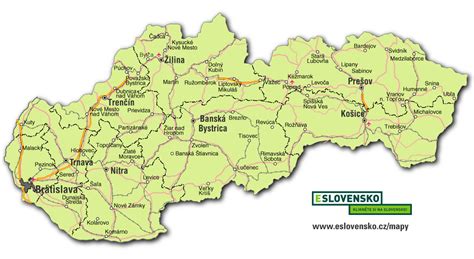
Tato práce vychází z dlouhodobého etnografického terénního výzkumu, který autor prováděl v jedné z východoslovenských vesnic okresu Svidník.
Základním tematickým rámcem práce jsou vztahy mezi Romy a Neromy ve sledované vesnici, a to s důrazem na aktérskou perspektivu místních Romů.
Povahu těchto vztahů autor sleduje v synchronní i diachronní perspektivě, a to především v souvislosti se dvěma typy prostorové mobility, které však mají současně potenciál mobility socio-ekonomické.
Prvním sledovaným typem je pohyb Romů z romské osady do neromské části vesnice, respektive do vesnic okolních, druhým pak přeshraniční migrace.
Práce se současně zabývá vztahy v rámci sledované romské komunity, na jejíž vnitřní sociální diferenciaci se podílely právě úspěšně i neúspěšně realizované mobility.
Pro širší uchopení studia lokálních vztahů využívá autor textů romistky Mileny Hübschmannové, dalších souvisejících případových studií z regionu východního Slovenska, ale současně i koncepty postkoloniálního myšlení s důrazem na dílo Frantze Fanona.
Právě jeho dílo pak poskytlo širší rámec pro uchopení mocenské asymetrie lokálních vztahů mezi Romy a Neromy, jakož i internalizaci inferiorního postavení Romů, které takovou asymetrii doprovází.
The thesis focuses on the practice of resettlement policy in the 1960s in Czechoslovakia, which targeted the population referred to as 'gypsies'.
This policy, also known as the policy of 'dispersal', has often been described in historical and Romani studies literature as one of the symbols of the communist regime's violence against the Roma, which was to lead to the disruption of their cultural identity and the disruption of established socio-economic structures.
Paradoxically, the practice of this policy has been described very marginally.
The aim of this paper is to fill this gap, to take the monitoring of this policy out of a strongly evaluative interpretive framework, and at the same time to shift the emphasis from the perspective of the state and its authorities to the agency of the Roma themselves.
In the introduction of my thesis, I provide a basic characterization and contextualization of resettlement policy while summarizing the existing literature related to it.
In the first chapter, I present the theoretical and methodological background of the whole thesis.
Here I acknowledge the microhistorical approach and the inspiration in the discipline of anthropology in general.
Based on long-term ethnographic research in one eastern Slovak village, this paper explores the complex issue of the role of place in the (self-)identification of Roma.
Applying both a diachronic and a synchronic perspective, the author focuses on the mechanisms of the territorialisation of the Roma that led to the preservation of the historical continuity of the Romani settlement and to its territorial stigmatisation.
He shows how local identification and position in the residential structure of the village studied here translated into a more enduring differentiation among Roma themselves.
The author argues that crucial to understanding this process is the racialised category of 'Gypsyness', through which the Roma were singled out as 'less local'.
'Gypsyness' was also strongly associated with the space of the settlement and at the same time served as a generally accepted reason for its very existence.
Přímá volba prezidenta byla podle Valeše chyba. Nastínil, kdo by Pavla mohl porazit
Student bude ve své diplomové práci srovnávat českou a rakouskou zahraniční politiku vůči jižní Asii, přičemž nejdříve rozebere normativní základy politiky obou států - jaká jsou ideová východiska zahraniční politiky, na jakém základě jsou tvořeny politické priority a co konkrétně jsou zahraničněpolitické priority obou zemí.
Na tomto základě pak student bude zkoumat jak jsou tyto ideje a priority aplikovány v regionu jižní Asie.
Jižní Asií jsou přitom myšleny Bangladéš, Bhútán, Indie, Maledivy, Nepál, Pákistán a Srí Lanka.
Třetí částí práce pak bude samotné srovnání zahraniční politiky České republiky a Rakouska, a to jak z hlediska východisek těchto politik, tak i z hlediska konkrétního působení zemí v regionu.
Student při své práci vychází z hypotézy, že česká a rakouská zahraniční politika mají jako demokratické, geograficky i historicky si blízké státy podobná obecná normativní východiska zahraniční politiky, a také podobné, byť ne shodné, priority zahraniční politiky.
Vloženo: 3. červen 2021; Revidováno: 26. říjen 2021; Přijato: 26. říjen 2021; Zveřejněno online: 22. listopad 2021; Zveřejněno: 2. prosinec 2021